
Fast Global Shipping
Bulk Discounts
Over 10,000+ Product Variations
Trusted by 100,000+ Customers
Push-On Fixes

PSM Push-On Fixes are spring steel clips or fasteners designed to grip a shaft, pin, or stud by spring action—without threads or additional hardware. In assemblies combining plastic or sheet materials, these fasteners provide a quick, reliable means to attach covers, panels, knobs, or components onto locating pegs or shafts. Because they require no tools or screws, they simplify assembly and reduce parts count.
Advantages
- Ultra low in-place cost due to rapid installation
- Eliminates threaded studs
- Reduces cost of mating part
- Will not loosen, vibration proof
- Once assembled, push-on fix must be destroyed to remove
Push-On Fixes Key Features
- Instant, tool-less installation—just push the component onto the shaft or peg
- Spring steel design maintains clamping force against vibration or movement
- Can be used with plastic or metal mating parts, offering versatility
- Lightweight and compact, especially suited for tight or low-profile designs
- Reusable in many applications, parts can be removed and reinstalled without damage
- Cost-effective for high-volume production and simple assemblies
Method of Assembly
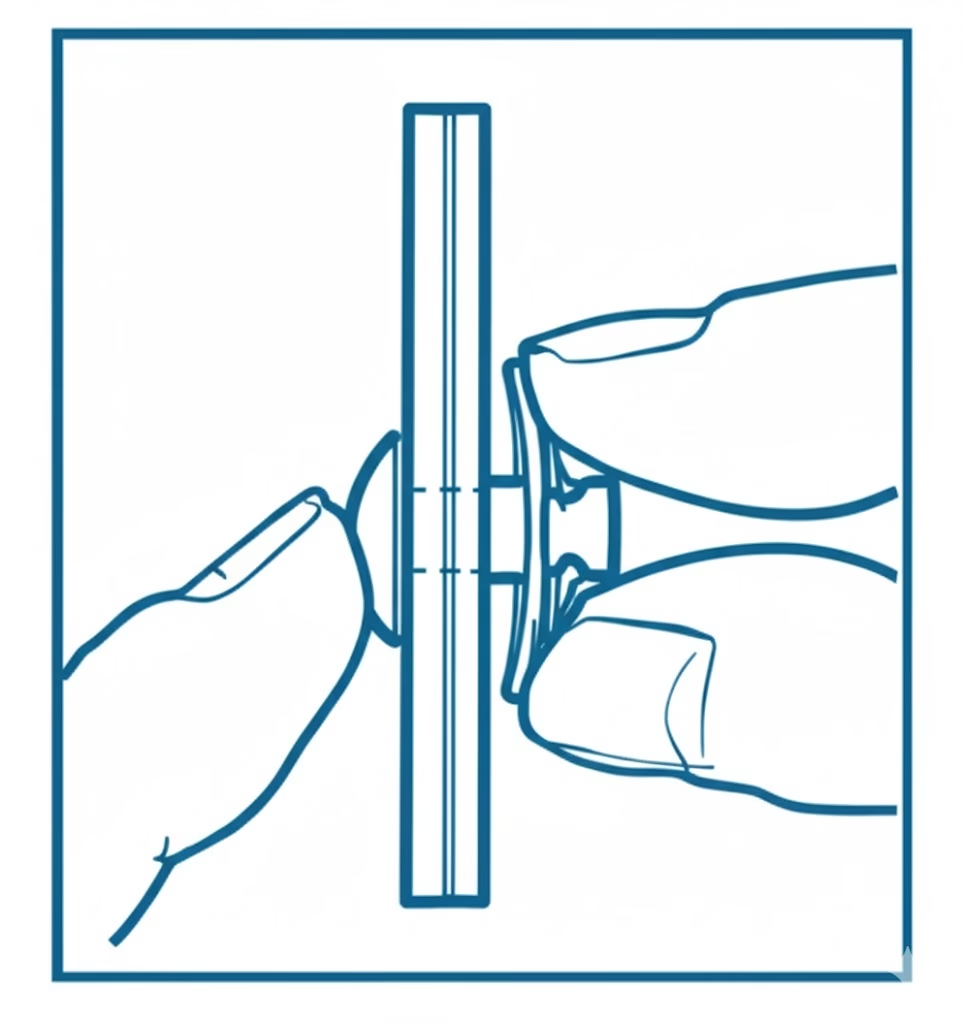
The Push-on fix is applied over the male mating part with a simple applicator. (This ensures correct alignment of fix to stud). When the body of the fix is pressed home and then released against the held component the arched prongs dig into the male stud, thus preventing a relaxation of pressure.
Design & Specification Guidelines
Mating Shaft / Pin Compatibility
- The diameter of the shaft or pin should be within the designed grip range of the push-on fix
- Some designs include flats, keyways, or locating features on the fix to align with similar features on the shaft
- The length of engagement should ensure that the clip fully grips the intended surface without bottoming out or overhanging
Material & Finish
- Spring steel (e.g. CS60 / CS70) is commonly used to deliver sufficient elastic force
- Surface finishes (e.g. zinc plating, passivation, phosphate) help reduce corrosion and friction, especially against plastic parts
- In plastic interfaces, low-friction coatings can prevent wear or mar the plastic surface
Retention Force & Tolerance
- Designers must select a push-on fix that provides enough retention force to resist expected lateral or axial loads
- Tolerance between the clip and shaft should be controlled—too tight and it may deform; too loose and retention is weak
- Over time, repeated use may slightly relax the spring force, so safety margins should be built in
Installation Method
- The component with the push-on fix is aligned and pressed straight onto the shaft; side loading or twisting should be avoided
- Push speed should be moderate—rushing may cause deformation or misseat the clip
- Confirm full seating by visual or tactile inspection
Push-On FixesTypes Available
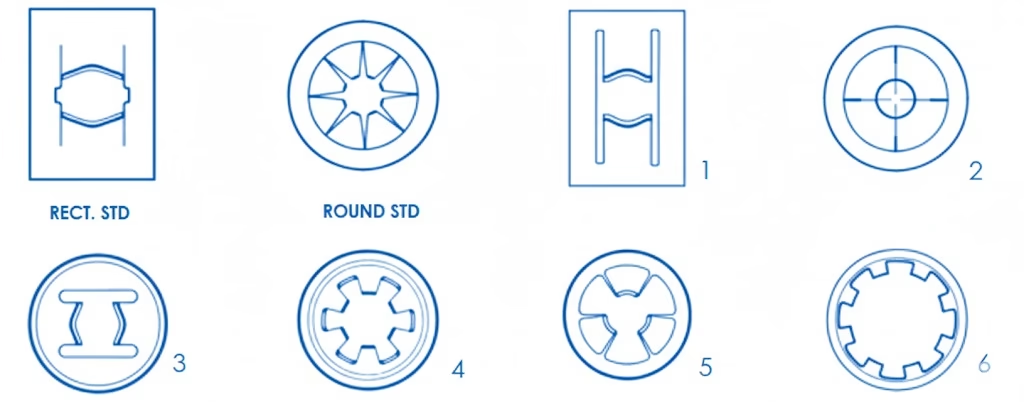
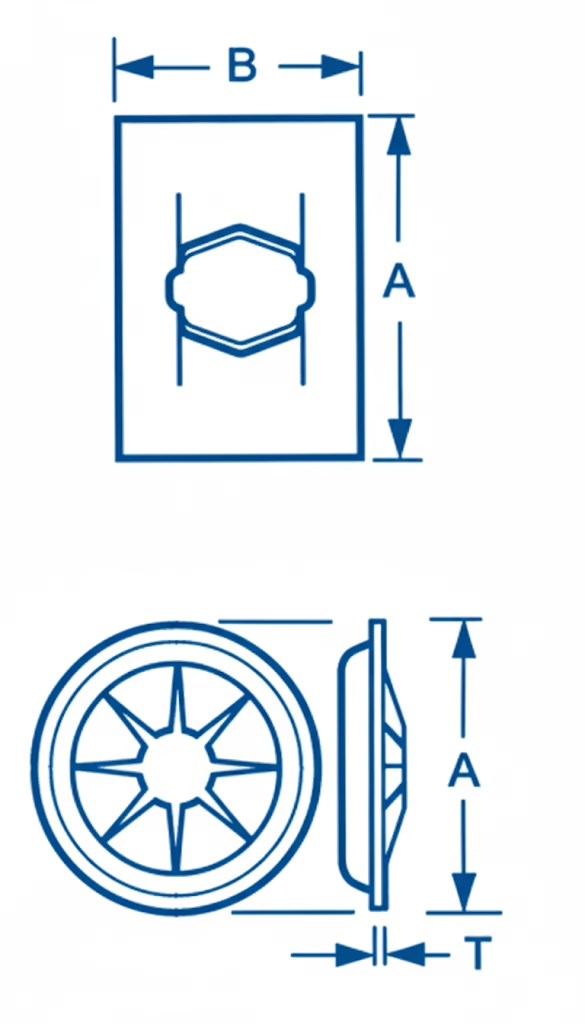
Material
CS70 carbon steel
When specifying, please state:
- Quantity
- Prefix (CBPF)
- Part No.
- Finish code (1500 CBPF-0627-13)
Dimensions
| Part No. | Nominal Stud Dia. | Stud Tolerance | A | B | T | Type See panel opposite | ||||
|---|---|---|---|---|---|---|---|---|---|---|
| Inch | Metric | Inch | Metric | Inch | Metric | Inch | Metric | |||
| 0510 0635 | 5/32" | 0.091 0.094 | 2.31 2.39 | 0.437 0.375 | 11.11 9.52 | 0.250 – | 6.35 – | 0.012 0.010 | 0.31 0.25 | Rect. Std. 2 |
| 0638 | 12 SWG | 0.102 0.105 | 2.59 2.67 | 1.500 | 38.1 | – | – | 0.010 | 0.25 | 5 Large Dia. |
| 0641 0528 0633 0617 | 3.00mm | 0.115 0.120 | 2.92 3.05 | 1.500 0.500 0.375 0.530 | 38.1 12.7 9.52 13.46 | – 0.312 – – | – 7.93 – – | 0.010 0.014 0.010 0.010 | 0.25 0.37 0.25 0.25 | 5 Large Dia. 1 2 Round Std. |
| 0511 0634 0627 | 1/8" | 0.122 0.126 | 3.10 3.20 | 0.500 0.375 0.375 | 12.70 9.52 9.52 | – 0.312 – | – 7.93 – | – 0.010 0.014 | – 0.37 0.25 | 1 2 3 |
| 0639 | 10 SWG | 0.126 0.129 | 3.20 3.28 | 1.500 | 38.1 | – | – | 0.010 0.010 | 0.25 0.25 | 5 Large Dia. |
| 0629 | 0.148" | 0.146 0.150 | 3.71 3.81 | 0.375 | 9.52 | – | – | 0.014 0.010 | – 0.25 | 3 |
| 0512 0600 0533 0625 | 5/32" & 4.00mm | 0.153 0.157 | 3.89 3.99 | 0.562 0.450 0.709 0.375 | 14.29 11.43 18.00 9.52 | 0.375 – 0.532 – | 9.52 – 13.5 – | 0.010 0.015 0.010 0.020 | 0.37 0.25 0.50 0.25 | Rect. Std. Round Std. Rect. Std. 2 |
| 0962 | 0.180 | 0.179 0.181 | 4.54 4.59 | 0.450 | 11.43 | – | – | 0.010 | 0.25 | Round Std. |
| 0513 0615 0636 0601 0640 | 3/16" | 0.184 0.189 | 4.67 4.80 | 0.625 0.562 0.562 0.450 1.500 | 15.87 14.29 14.29 11.43 38.1 | 0.375 – – – – | 9.52 – – – – | 0.015 0.016 0.015 0.010 0.010 | 0.37 0.41 0.37 0.25 0.25 | Rect. Std. 5 3 Round Std. 5 Large Dia. |
| 0529 0604 | 5.00mm | 0.194 0.199 | 4.93 5.05 | 0.625 0.530 | 15.87 13.46 | 0.375 – | 9.52 – | 0.015 0.010 | 0.37 0.25 | Rect. Std. Round Std. |
| 1231 | 5.00mm | 0.194 0.199 | 4.93 5.05 | 1.500 | 32.1 | – | – | 0.010 | 0.25 | 5 Large Dia. |
| 0619 | 0.228" | 0.226 0.230 | 5.74 5.84 | 0.530 | 13.46 | – | – | 0.010 | 0.25 | Round Std. |
| 0622 0530 0602 0642 | 6.00mm | 0.233 0.238 | 5.92 6.04 | 0.562 0.750 0.530 1.500 | 14.29 19.05 13.46 38.1 | – 0.500 – – | – 12.70 – – | 0.015 0.016 0.010 0.010 | 0.37 0.41 0.25 0.25 | 3 Rect. Std. Round Std. 5 Large Dia. |
| 1221 | 6.00mm | 0.233 0.238 | 5.91 6.04 | 0.530 | 13.5 | – | – | 0.010 | 0.25 | 6 |
| 0515 0616 0603 | 1/4" | 0.246 | 6.25 | 0.750 0.562 0.530 | 19.05 14.29 13.46 | 0.500 – – | 12.70 – – | 0.016 0.015 0.010 | 0.41 0.37 0.25 | Rect. Std. 3 Round Std. |
| 0609 0645 | 1/4" | 0.252 | 6.40 | 0.630 1.500 | 16.00 38.1 | – – | – – | 0.016 0.010 | 0.41 0.25 | 5 5 Large Dia. |
| 0643 | 0.270" | 0.270 | 6.86 | 1.500 | 38.1 | – | – | 0.010 | 0.25 | 5 Large Dia. |
| 0626 0605 | 9/32" | 0.277 0.283 | 7.00 7.20 | 0.562 0.590 | 14.29 14.98 | – – | – – | 0.020 0.010 | 0.51 0.25 | 4 Round Std. |
| 0532 0606 0618 0644 | 5/16" & 8.00mm | 0.309 0.315 | 7.90 8.05 | 0.875 0.590 0.600 1.500 | 22.22 14.98 15.24 38.1 | 0.625 – – – | 15.87 – – – | 0.016 0.010 0.015 0.010 | 0.41 0.25 0.41 0.25 | 1 Round Std. 4 5 Large Dia. |
| 1220 | 14.2 | 0.558 0.563 | 14.1 14.3 | 0.866 | 22.0 | – | – | 0.016 | 0.41 | 6 |
Items shown are a selection of a wider range available.
Recommended Installation Torque
| Screw Size | lbs. ins | N.M. | Screw Size | lbs. ins | N.M. |
|---|---|---|---|---|---|
| 4 | 6 | 0.68 | 10 UNC | 11 | 1.24 |
| 6 | 12 | 1.35 | 10 UNF | 7 | 0.79 |
| 8 | 18 | 2.03 | 6 BA | 2 | 0.23 |
| 10 | 24 | 2.71 | 4 BA | 4 | 0.46 |
| 12 | 30 | 3.39 | 2 BA | 7 | 0.79 |
| 14 | 42 | 4.75 | 6 mm | 16 | 1.81 |
| 1/4 ACME | 50 | 5.65 | 4 mm | 6 | 0.69 |
| 5/16 ACME | 75 | 8.48 | 1/4 BSW | 20 | 2.26 |
| 2 BA | 7 | 0.79 | |||
| 3/16 BSW | 11 | 1.24 |
| Code | Description | Colour | Usage |
|---|---|---|---|
| 00 | Blue, oil dipped | Blue temper | Very light corrosive conditions |
| 09 | Phosphate, oil dipped | Dark grey | Light corrosive conditions |
| 13 | Chromate passivated electro plated zinc | Pale translucent yellow | Highly corrosive conditions |
| 08 | Phosphate & zinc chromate paint | Green | Highly corrosive conditions |
| 10 | Phosphate & zinc chromate paint | Black | Highly corrosive conditions |
| 11 | Plastic coating | Black | As required |
| 14 | Polyester | Various | As required |
| 22 | Polyseal | Black | Highly corrosive conditions |
| 24 | Dacromet | Silver | Highly corrosive conditions |
Enhance Your Assembly with Our Push-On Fixes
Start browsing our products or request a quote today to find the ideal fastening solution for your application.Frequently Asked Questions About Push-On Fixes
What are Push-On Fixes?
Push-On Fixes are spring steel clips or fasteners designed to grip a shaft, pin, or stud through spring action alone, with no threads or additional hardware required. They provide a quick, reliable way to attach covers, panels, knobs, or components onto locating pegs or shafts in plastic, sheet metal, or mixed-material assemblies.