
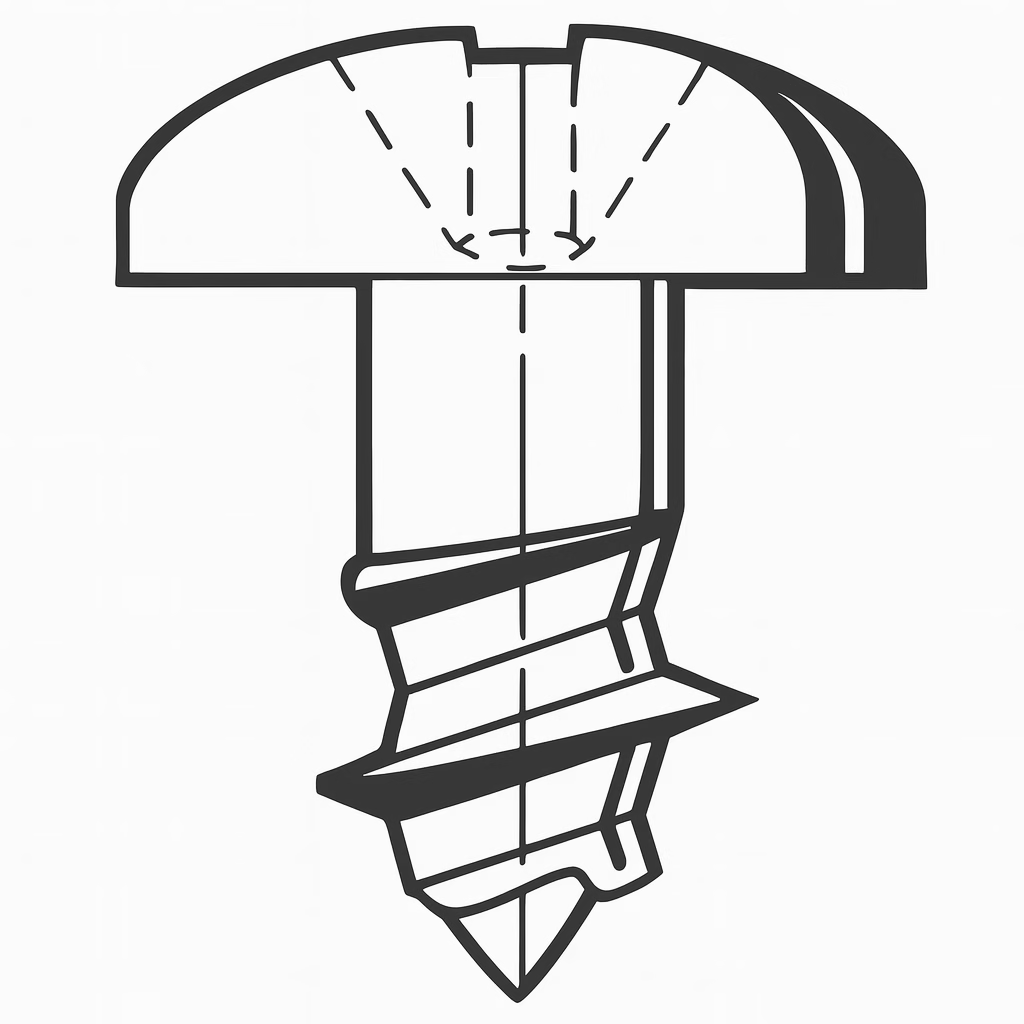
Advantages
- Reduced installation torque
- High stripping torque
- Greater safety margin between installation torque and stripping torque
- High parent material shear strength
- Minimises material flow resistance
- Designed to reduce stress within the thermoplastic to an absolute minimum
- High resistance to vibration and relaxation
- Allows for smaller bosses
Design Guide
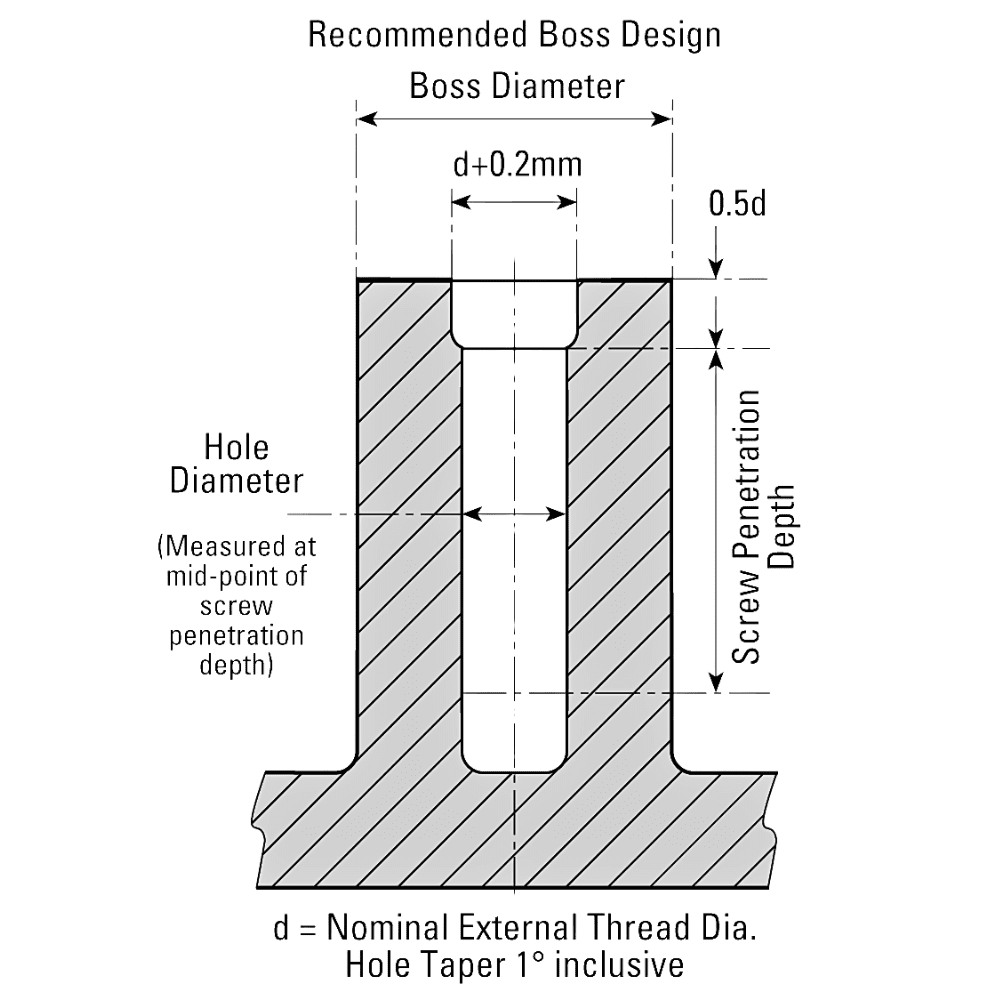
When choosing a direct screw fixing, one of the major criteria is to obtain the maximum margin between driving torque and stripping torque. Screw design, material characteristics, moulding practice, hole size and installation speed all have an influence.
The specialised equipment necessary to measure the effect of these factors is available at P.S.M’s Technology Centre. This allows customers to obtain the best design possible. Pre-production testing is therefore strongly recommended.
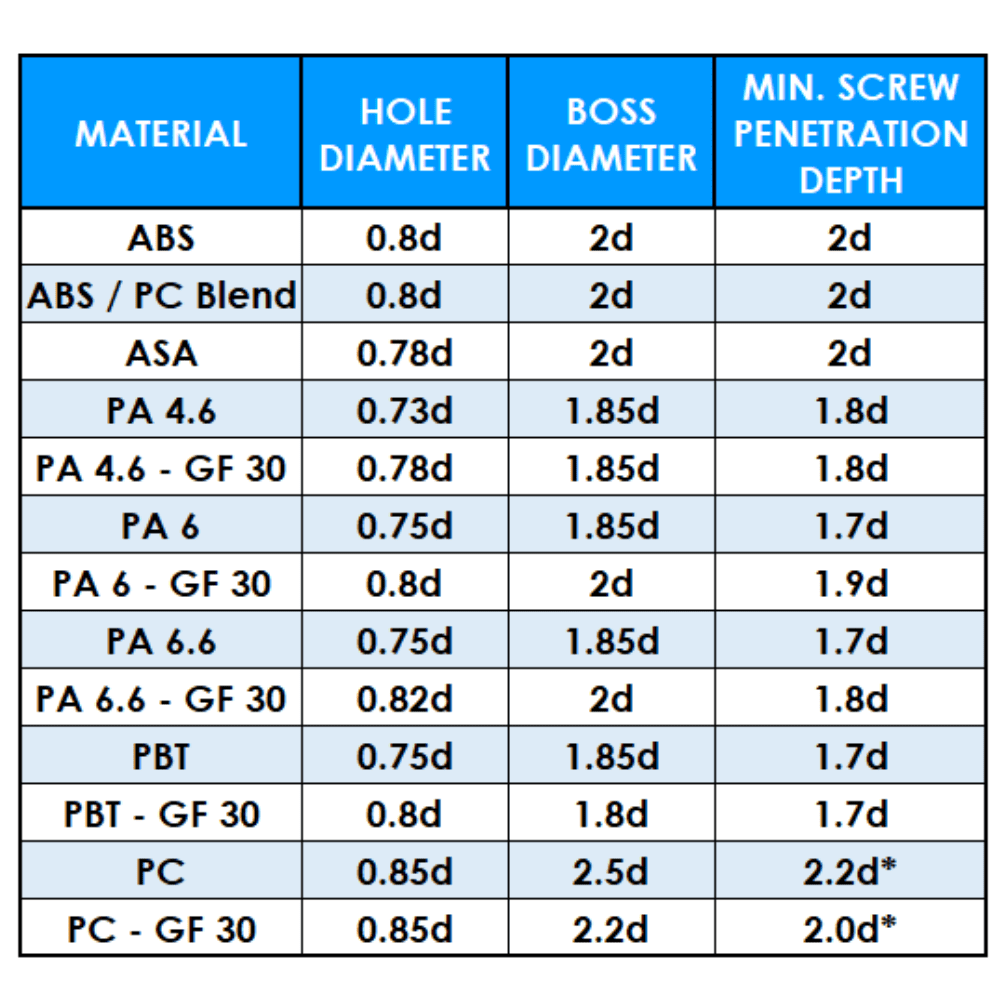
Please note the inclusion of a counterbore – this is important for the following reasons:
- Prevents damage to the top of the boss
- Helps alignment of the screw in the boss
- Assists in repeated assemblies of the screw
- Acts as a relief for any material extruded to the head of the screw and allows flush finishes
N.B. If moulded tool design or application into an existing boss renders the recommended boss design impractical, please contact P.S.M for specific advice.
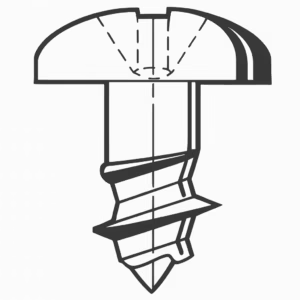
8° Optimum Pitch Angle
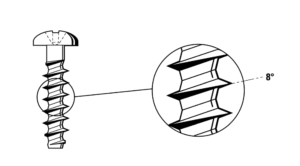
- Lowest installation torque/highest stripping torque
- Maximum resistance to vibration loosening and material relaxation in the component
Profiled Thread Root
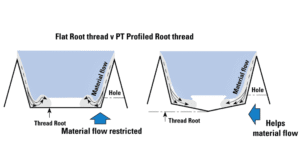
- Improved plastic flow reduces stress, providing long term reliability
- Greater surface area contact between screw thread and plastic, to give a high shear and stripping torque
- Lower installation torques
30° Combined Flank Angle
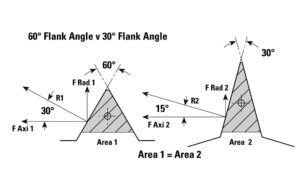
- Lower radial stresses, reducing boss bursting force
- Greater thread penetration into the plastic material, permitting enhanced clamping torque
- Reduced centre of pressure, producing lower installation torque
Design Recommendation

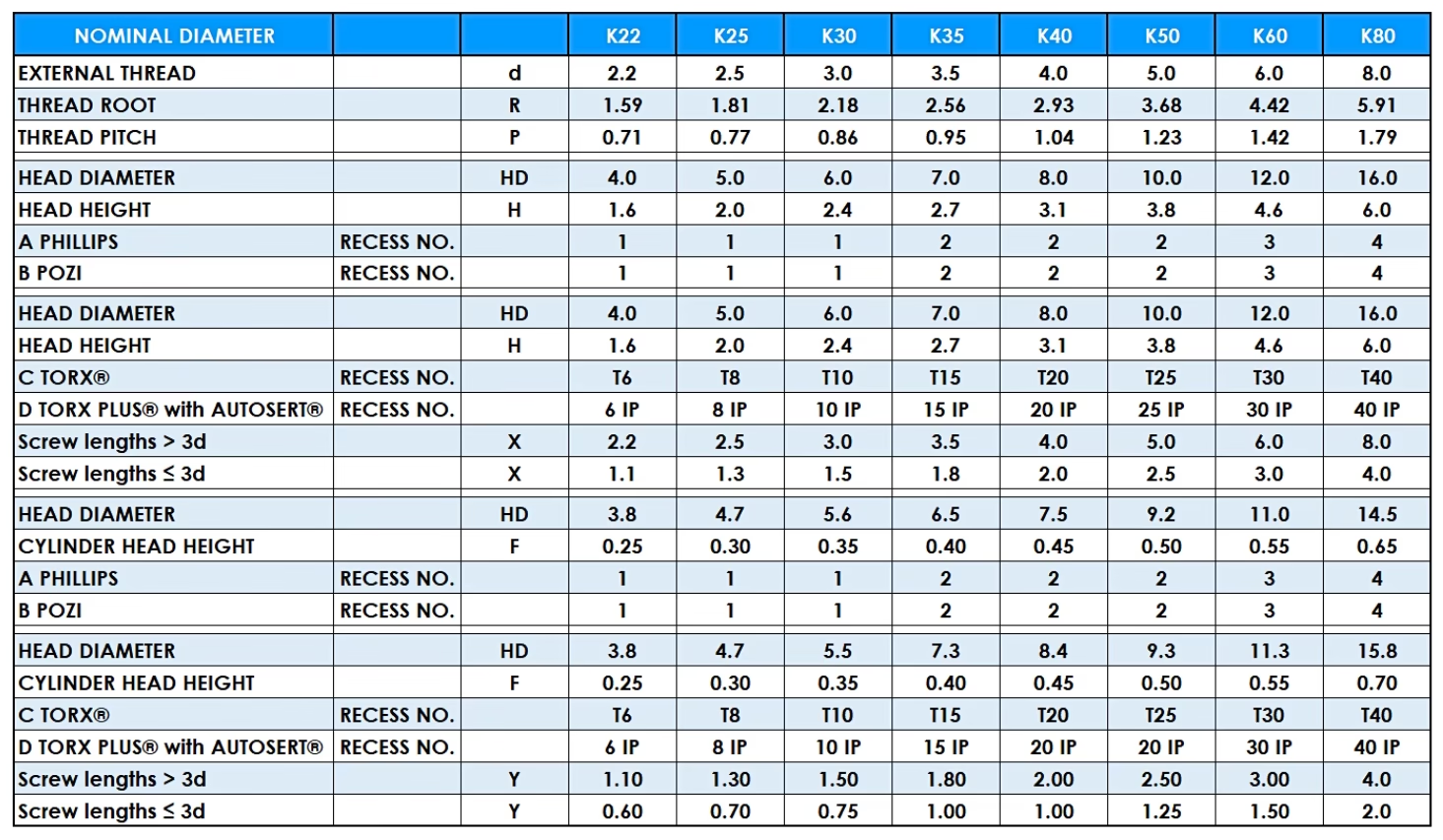
Technical Data
- Product Code: WN15
- Material: Through hardened & tempered steel
- Standard Finishes: Zinc Plate and Clear Passivation (Z), Zinc Plate and Chromate (ZC), Zinc Plate and Black Chromate (ZBC), Stainless Steel (SS), Stainless Steel 316 (S6)
- Other Finishes: Available to order
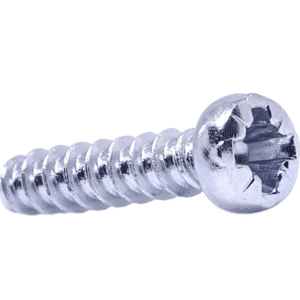
Head Style 42 Pan
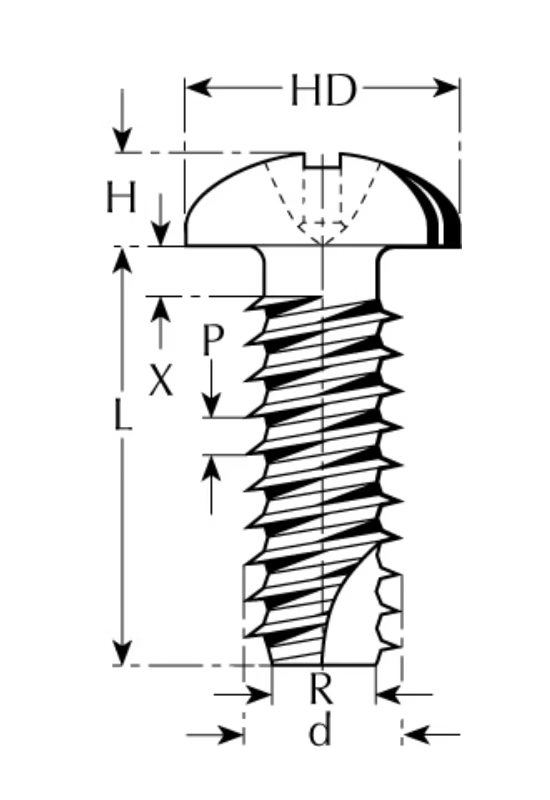
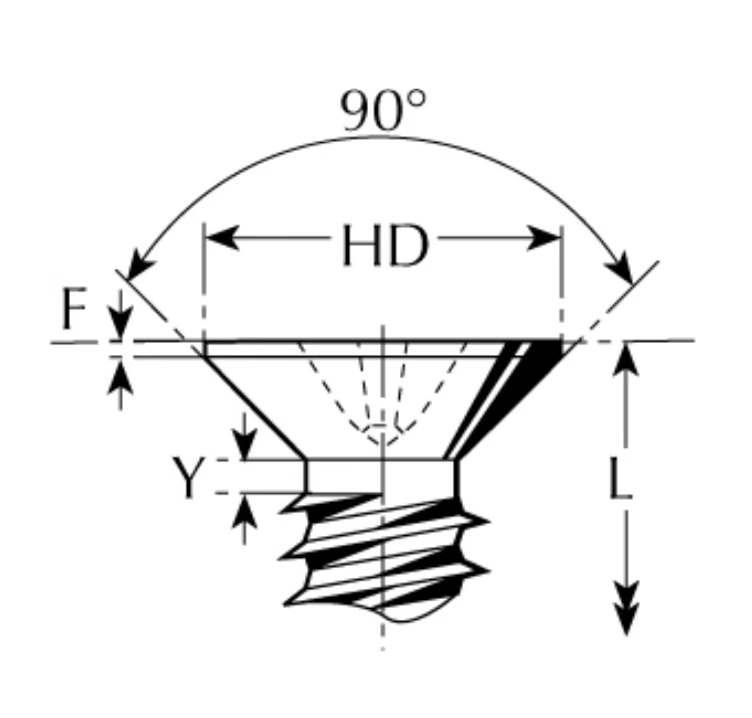
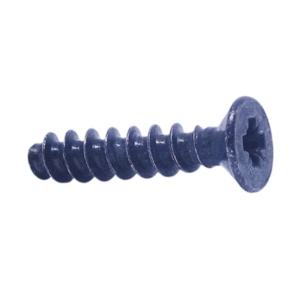
Head Style 43 Countersunk
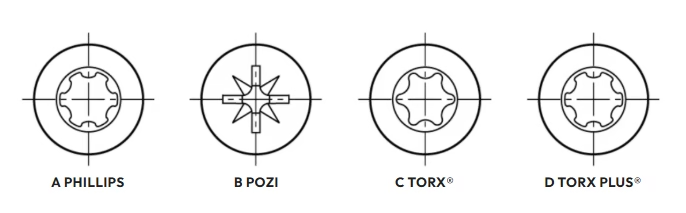
Standard Recess Styles
Other available recesses are available.
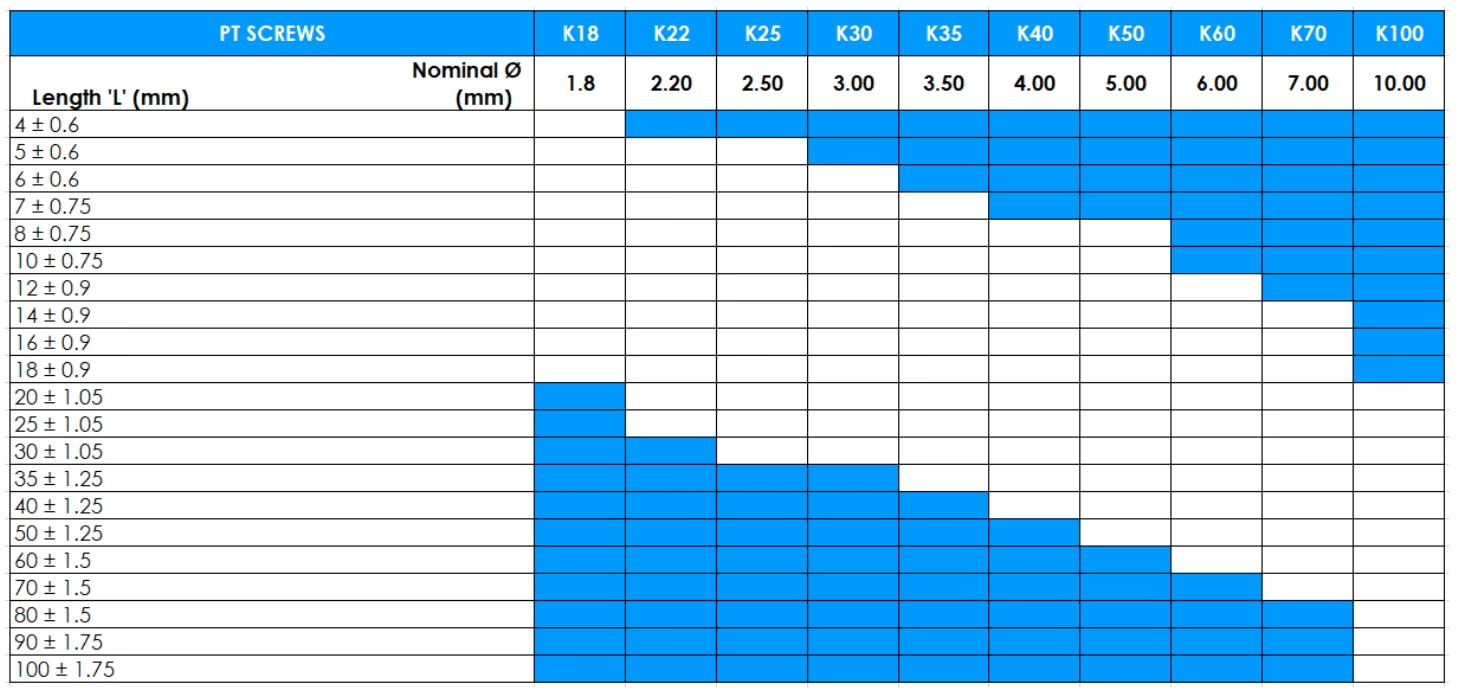
Size Range
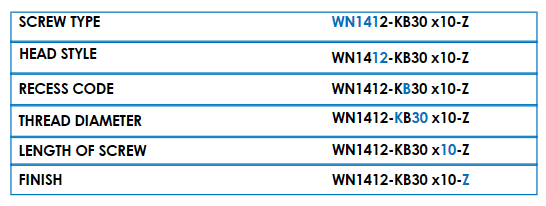
How to Specify
Assembly Data
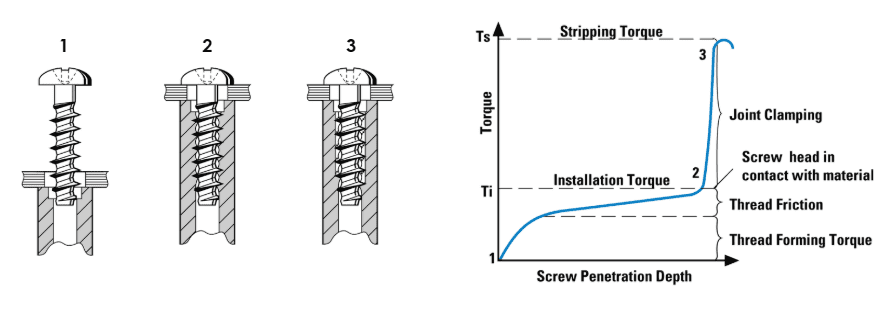
To determine the optimum performance of direct screw fixings there are a number of influential factors which have to be considered if problems on the production line or in service are to be avoided. In order to establish the optimum clamping torque it is first necessary to establish the following:
- The amount of torque required to form the first thread.
- The amount of torque required for the screwhead to come into contact with the mating component.
- The amount of torque required for the joint to fail.
- These figures should be obtained by the use of specialised equipment which simulates production line conditions since testing by hand omits the important effect of friction due to installation speed.
PSM’s Technology Centre is fully equipped to conduct these tests for you.
The repeat torque accuracy of the installation tool can vary and should always be considered when specifying the recommended clamping torque.




There are no reviews yet.